Hey there, fellow manga enthusiasts and curious newcomers! I’m absolutely thrilled to dive deep with you into the incredible world of manga storytelling. It’s more than just epic plots and unforgettable characters; there’s a unique artistry at play that makes Japanese comics a global phenomenon. We’re not just reading words here; we’re experiencing a dynamic, visual language that truly pulls us into another dimension. Today, we’re going beyond the surface to uncover the core elements that give manga its distinctive power. We’ll be focusing on how creators, or mangakas, skillfully employ panels and pacing to craft immersive and impactful narratives that resonate deeply with us. It’s a fascinating journey, and I can’t wait to explore it with you!
Crafting Compelling Worlds: The Foundations of Manga Narrative
Before we dissect the visual mechanics, it’s crucial to remember that even the most brilliant panel work can’t save a weak story. A strong narrative foundation is absolutely essential. Think of it as the bedrock upon which all that stunning art is built. Without it, even the most breathtaking visuals might leave us feeling a little… hollow, wouldn’t you agree?
Character is King (and Queen): Building Relatable Heroes & Villains
At the heart of every great manga is its cast. We’re talking about characters with deep motivations, compelling strengths, and understandable flaws. Think about the emotional connection you feel to a character like Luffy from One Piece or Eren Yeager from Attack on Titan; their journeys become our journeys, don’t they? But it’s not just their personalities that draw us in; their visual design plays a colossal role too. Iconic hairstyles, distinctive outfits, and expressive faces instantly communicate who they are and contribute massively to their recognition and personality. That immediate visual impact is something we just don’t get in prose the same way, and it’s a powerful tool in a mangaka’s arsenal!
World-Building Wonders: Immersive Environments That Live and Breathe
A story doesn’t exist in a vacuum. The setting in manga is incredibly powerful, not just as a static backdrop, but as a living character itself. It establishes mood, provides crucial context, and can even drive the plot forward. Mangakas use intricate visual cues to convey everything from the gritty, neon-lit streets of a cyberpunk future to the serene beauty of a historical era. Richly detailed environments help to create truly immersive experiences, drawing us further into the narrative’s embrace and making us feel like we’re right there with the characters, exploring every corner of their world.
Plot & Theme: The Narrative Backbone and Emotional Core
Of course, a compelling plot structure is non-negotiable. Every great manga needs a clear objective, escalating conflicts, and a well-defined narrative arc that propels the story forward. Whether it’s the classic beginning, middle, and end, or a sprawling, long-running series, there’s always an underlying narrative flow, expertly managed by the mangaka to keep us hooked. And let’s not forget the overarching themes – things like unwavering friendship, relentless perseverance, heartbreaking sacrifice, or complex morality. These aren’t just ideas; they’re the emotional anchors that give the story profound meaning and elevate it beyond mere events, often communicated visually as much as through dialogue. This interplay between plot and theme is crucial for deep storytelling.
Dialogue & Internal Monologue: Guiding the Reader’s Thoughts
Just like in any narrative, dialogue needs to sound natural and be specific to each character, painting their personality with every word. But manga adds another fascinating layer: the prevalent use of thought bubbles and narration. While Western comics also employ these, manga often utilizes them more extensively to delve into a character’s internal states, hidden fears, deepest hopes, and strategic thinking. This allows for incredible psychological depth and gives us a direct line into what a character is truly thinking and feeling, even when their outward expression might suggest otherwise. It’s like having a secret peek into their minds, isn’t it?
The Dynamic Canvas: Mastering Manga Paneling and Pacing
Now, let’s talk about the true visual magic – how mangakas arrange their artwork on the page to control our experience. This is where manga truly distinguishes itself!
Understanding Panel Layout (Komawari): Structure and Flow
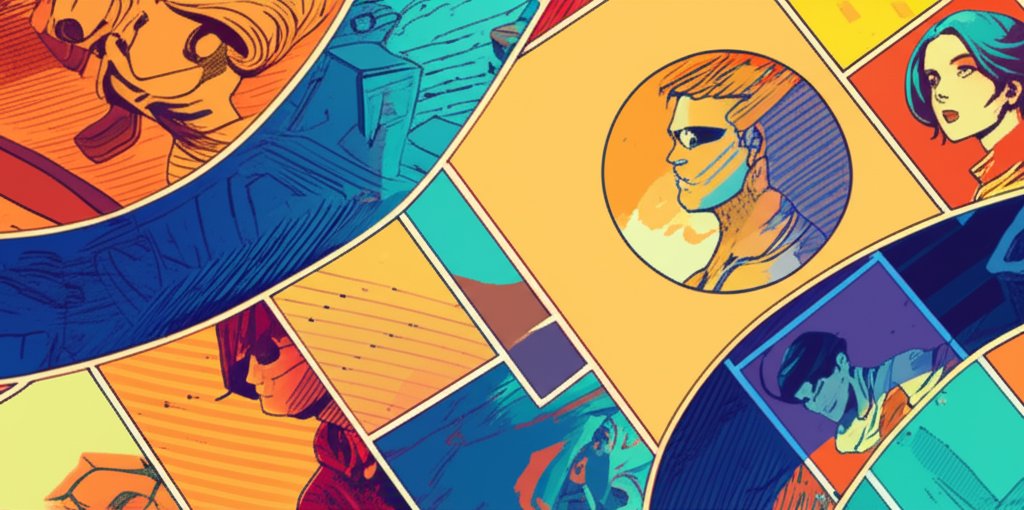
The term komawari (コマ割り) refers to the art of panel layout and arrangement on a manga page. It’s not just about drawing pictures; it’s about strategically placing, sizing, and shaping each panel to guide the reader’s eye and convey information. A mangaka might use many small panels to depict rapid action or a flurry of reactions, or a single large, dramatic panel to emphasize a crucial moment or a stunning visual. The way these panels are structured creates a visual rhythm, influencing how quickly or slowly we absorb the story. It’s a silent director, controlling our gaze and our understanding.
Pacing the Narrative: Speed, Emotion, and Impact
Beyond simply laying out panels, mangakas are masters of pacing. This is where they manipulate time within the story, accelerating or decelerating the reading experience. Imagine a tense battle sequence: rapid, jagged panels might fill the page, each showing a quick blow or reaction, making us read faster and feel the urgency. Conversely, a quiet, emotional moment might stretch across a full-page spread or use fewer, larger panels with minimal dialogue, forcing us to linger, to absorb the atmosphere and the character’s emotions. Pacing is key to building suspense, delivering punchlines, and allowing emotional beats to truly land. It’s an invisible hand guiding our journey through the story.
Guiding the Eye: Visual Pathways and Transitions
A skilled mangaka uses more than just panel order to guide us. They employ visual cues like motion lines, character gaze, speech bubble placement, and even the natural flow of action to direct our eyes across the page. Panels aren’t always rectangular or neatly arranged; they can overlap, burst out of their borders, or even be shaped dynamically to enhance the scene’s energy or emotional content. These visual pathways ensure a smooth, intuitive reading experience, even when complex events unfold. It’s a subtle dance between art and structure, making sure we don’t miss a beat.
Bringing It All Together: The Art of Immersive Manga Storytelling
So, there you have it! From the foundational elements of compelling characters and rich worlds to the sophisticated visual language of manga panels and pacing, every aspect works in harmony to create the unique magic we adore. It’s a testament to the incredible skill of mangakas who don’t just tell stories, but craft entire experiences that draw us in, make us feel, and leave us eagerly awaiting the next chapter. What are some of your favorite examples of brilliant paneling or pacing that really stood out to you? Share your thoughts – let’s keep the discussion going!